


















How do you write a story set in the future?
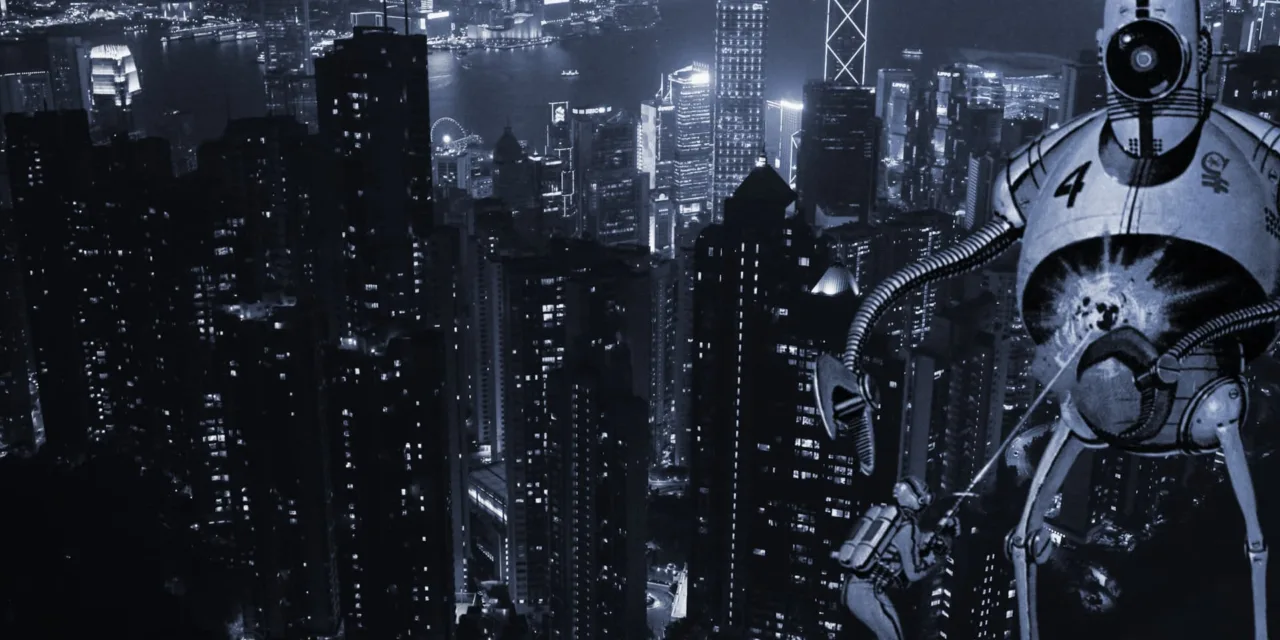
“Okay so I’m trying to write a story set in the future and I’m kinda stuck?? Like I know what my general plot is and I have my characters figured out (sort of), but whenever I try to describe the world they live in I just… can’t. Help pls”
The future is a blank canvas, a place where anything is possible. This can be both a blessing and a curse for writers because, on the one hand, it gives you endless possibilities to explore, but on the other, it can be difficult to know where to start.
If you know your plot and your characters already but are struggling with the world building, then my first question to you would be: Is a futuristic setting integral to the plot? If you could take your characters out of their futuristic setting and place them in any other time period and have the story be the same, then that might be your issue. It could just be that the setting doesn’t fit the story you want to tell.
But if you’ve considered it, and a futuristic setting is central to your story and how it develops, then here are my personal tips on what you should consider to build out your story world and tie it into your plot.
Start with a strong idea
Decide what kind of future you want to write about and what role you want technology to play.
Do you want to write about a dystopian future where technology has taken over? A utopian future where humans have solved all their problems using technology? Or has technology completely failed, and the future in your book looks more like our past?
Once you have a strong idea, you can start to flesh out your world and characters. Knowing how you want your future to look is the first step in knowing how to get there.
Do your research
The more you know about the present, the more believable your future story will be.
Read books and articles about current trends, and think about how those trends might develop. Consider advancements in science, medicine, transportation, and communication. What might smartphones look like in 50 years? How might climate change affect where and how people live? What new energy sources might we rely on? You can also use your imagination to come up with new technologies and ideas, but they should be grounded in realistic development and fit within your story world.
There are some amazing non-fiction books to help you get the science right in your fiction, but you can also draw inspiration from how fiction authors tackle the subject. You can find a list of recommended non-fiction books to get you started in this post.
Be specific in your worldbuilding
When you’re describing your future world, don’t be afraid to get specific. What does the technology look like? How does it work? What are the social and political implications of this technology?
You don’t necessarily have to include all the minute details in the content of your story, but knowing it for yourself, so it informs the way you write and what you can assume your characters know, will help you build out a stronger world.
The more specific you are in the world you build, the more immersive your story will be. But, focusing too much on the minute detail of your story will affect the pacing, so make sure you share only what is relevant.
Consider the time period
How far in the future is your story set? This will affect the technology, culture, and social norms of your world.
A world 50 years in the future will look very different from a world 2000 years in the future. Compare our current reality with the late 20th century versus the beginning of the 1st century, and you’ll see how big a part this can play in the way your story develops.
The rate of technological development in your setting is also important to consider. Will technology develop at the same pace as it currently does? Or will it stagnate or decline? If so, think of the reasons why this might be and how it fits into your plot.
Be creative
Don’t be afraid to come up with new ideas and concepts. The future is unknown, so let your imagination run wild.
But with that said, there needs to be some logic to your ideas. If your future contains bio-engineered lettuce that gives people superpowers, there needs to be a reason for that. A cool thing for the sake of a cool thing will often break a reader’s immersion.
You want readers to be able to follow your ideas and believe in them. So making sure they fit and work within the context of your story is just as important as being imaginative.