If Writing Was a Fitness Challenge
| by Crystal Kamm | Writing
Writing a novel is arguably one of the most gruelling of endurance sports. We write and write and write, only to scrap what we wrote and write it again, and again. We want the message to be accurate to our vision, the characters to live up to their challenges, the story to engage the reader, and so much more. And none of it happens on the first try.
As a writer, going on such an intense/exhausting/exhilarating/inspiring (choose your adjective) journey, it's important to remember to take care of yourself. After all, you're wearing all the hats on this project. If you're not there to do the work, no one else will do it for you.
So here's a little friendly advice about how I take care of myself while I'm writing, whether that's a first draft, a stalled second act, or just the slow, unglamorous work of showing up most days.
Writing as a workout
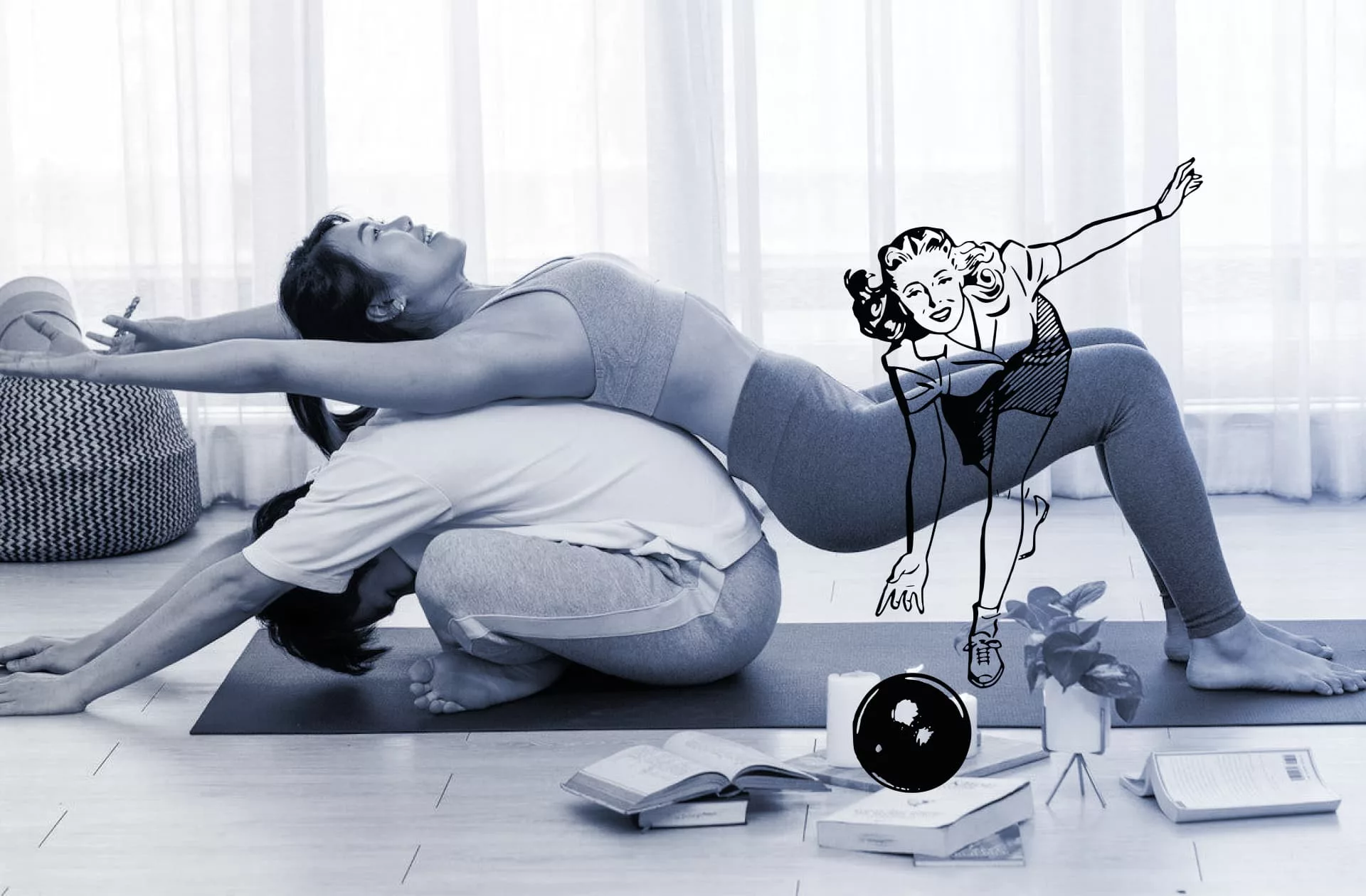
I like to pretend that writing a book is a fitness challenge instead of a writing challenge.
If I were training for something — a race, a season, a personal best — I'd need to make a special point of caring for myself, mind, body, and spirit, to keep from losing ground. No serious athlete just wings it and hopes for the best. They plan for volume, for fuel, for rest, and for the inevitable day the body says no. Writing deserves the same respect. Here's what I make sure to do.
Vary my workouts
It can exhaust the muscles to work out heavily every single day, and it's exactly the same with a manuscript. I usually aim for about 3-4 heavy days (1+ hours of training, or in this case, writing), 1-2 lighter days (30 minutes to an hour), and 1 day of complete rest. But you can set your training schedule for what works for you.
Heavy days are for the scenes that need real focus: high emotional stakes, tricky logistics, or a plot problem I've been circling. Light days are for the smaller stuff: filling in a transition, tightening a paragraph, jotting notes on where a subplot is headed. A training plan that's all heavy days burns you out before you reach the finish line, and a manuscript is no different so you need to pace yourself.
Fuel
When you're working out, you need to eat right and drink plenty of fluids to fuel your body. All the strenuous activity will take its toll, and the same is true of writing.
When you're feeling stuck, it can help to read pieces of writing that inspire you, with your favourite beverage on hand. Whenever I'm feeling uninspired, or my writing reads flat to me, I like to settle in with a cup of tea and read a novel that originally inspired me to want to write (for me, that novel is Outlander).
This isn't procrastination. Athletes don't skip meals because they're worried it'll slow them down mid-race; they eat because the body can't run on empty. Your creative reserves work the same way. Reading well, resting your eyes on something beautifully made, refills the tank you're about to draw from.
Rest
Depending on your schedule, it may not be possible to take a whole day completely off, but it can help to give yourself the occasional day where you allow yourself to rest your mind and forgive yourself for not performing at the top of your game.
But this doesn't mean you should turn on Netflix and simply give up; one of the keys to a proper "rest day" is that you still do something. Go for a walk. Reread a chapter with fresh eyes instead of writing new words. Talk through a plot knot with a friend. Rest is active recovery, and your manuscript benefits from it just as much as your muscles would.
Listen to your body (and your draft)
The longer I've been at this, the more I've learned that the training plan is a starting point, not a contract. Some weeks life gets in the way and a heavy day has to become a light one. Some days the words come so easily that a planned rest day turns into an unplanned sprint. The goal isn't to follow the plan perfectly, it's to keep showing up in a way that's sustainable.
The same goes for the manuscript itself. If a scene keeps fighting you, you can learn a lot from that. Maybe it's the wrong scene, or it's in the wrong place, or you don't know your character well enough yet to write it convincingly. Pushing through with sheer willpower works sometimes. Other times, the better move is to back off, do something else, and come back to it once you've got more strength in reserve.
Why the metaphor works
Sometimes just the metaphor of thinking of a project as a "race" helps me stay focused on the goal, without tipping into the kind of all-or-nothing thinking that makes creative work miserable. Writing a novel is hard work, done mostly alone, over a long stretch of time. Treating it like training rather than like an emergency changes how it feels day to day: less about heroic bursts of effort, more about repeatable habits that you can actually keep up with.