6 Beach Reads to Read Like a Writer This Summer
| by Pamela Koehne-Drube | Books
Beach reads are built to be devoured. They're fast, gripping, and easy to fall into while on holiday. That's exactly why their craft often goes unremarked on: a book that pulls you through in one sitting can look effortless, when really that pace results from some very deliberate choices by its author. Some of the most commercially successful books of the last few years are also small masterclasses in structure, voice, and narrative control, and I think it's time we talk about that.
I've put together this reading list, just in time for the height of summer, of beach reads that are as instructive as they are addictive. It's a good excuse to put reading like a writer into practice. Pack one of these in your beach bag and you'll come home tanned, entertained, and with a few new tricks for your own work in progress.
The Guest List by Lucy Foley
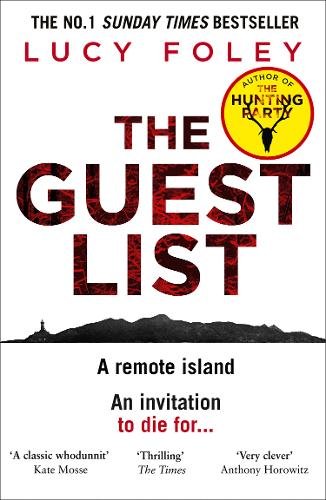
The Guest List is a thriller set at a wedding on a remote island told through five different narrators, each of whom has a reason to want the groom dead. Foley intercuts the wedding day itself with the lead-up to it, so you know from page one that someone is going to die, you just don't know who, or by whose hand.
What makes it worth a writer's attention is how disciplined the withholding is. Every narrator knows more than they let on, and Foley lets you feel the gaps between what a character says, what they think, and what they're actually hiding. It's a genuinely useful case study in multi-POV suspense: give each narrator their own secret, stagger the reveals, and let dramatic irony do the heavy lifting instead of exposition.
Beach Read by Emily Henry
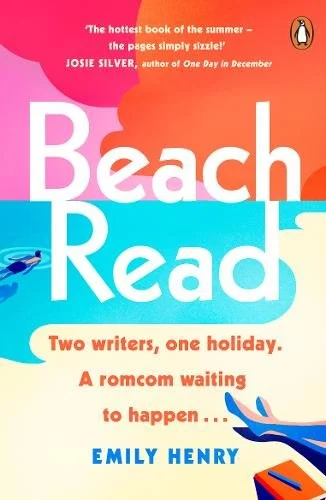
Yes, it's actually called Beach Read, and it's about two writers. Emily Henry's romance novel follows a literary novelist with writer's block and a cynical women's-fiction author, who end up as neighbours for the summer and strike a deal: he'll write something hopeful, she'll write something dark, and they'll help each other along the way.
It's a book about writing that also works as a demonstration of writing, which makes it an awesome resource for writers. Henry uses the genre-swap premise to interrogate what "literary" and "commercial" actually mean, and to show how voice and structure change when a writer works against their instincts. If you've ever felt boxed in by your own genre, this one is worth reading with a notebook nearby, right alongside our own thoughts on why genre matters in the first place.
The Seven Husbands of Evelyn Hugo by Taylor Jenkins Reid
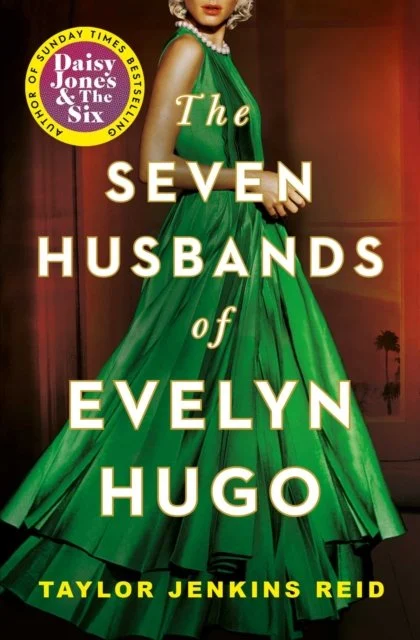
The Seven Husbands of Evelyn Hugo is an epistolary novel framed as a series of interviews. A reclusive Old Hollywood icon finally agrees to tell her life story to an unknown journalist, on the condition that it isn't published until after her death. The frame narrative lets Reid control exactly how much you know and when, cutting between the interview room and the decades of ambition, love, and reinvention that Evelyn is describing.
It's a powerful example of what a frame story can do that a linear chronology can't. The interview scenes create tension around a question the reader doesn't even know they're supposed to be asking until close to the end, and the retrospective voice gives Evelyn a kind of narrative authority that a younger version of herself, telling the story in real time, doesn't. If unconventional structure is your thing, it's worth pairing with our list of books that break the mould and use experimental storytelling techniques.
Malibu Rising by Taylor Jenkins Reid
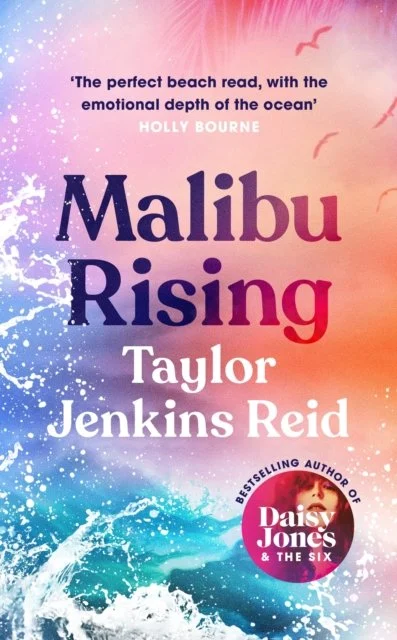
Malibu Rising takes place almost entirely across one day, the day of the Riva siblings' legendary end-of-summer party, which is on a collision course with a fire that will burn their house to the ground. Reid intercuts the party with flashback chapters tracing the family's history back decades.
The single-day framing does a lot of work here. It gives Reid a ticking clock and a fixed endpoint, which means the flashbacks never feel like they're stalling the plot. If you're wrestling with how to handle a large ensemble cast without losing momentum, this is a good one to take apart and see how the pieces fit, and because Reid has a huge body of work to compare to, it can actually be pretty useful to hone into the structural differences in her books that share a similar writing style.
One Italian Summer by Rebecca Serle
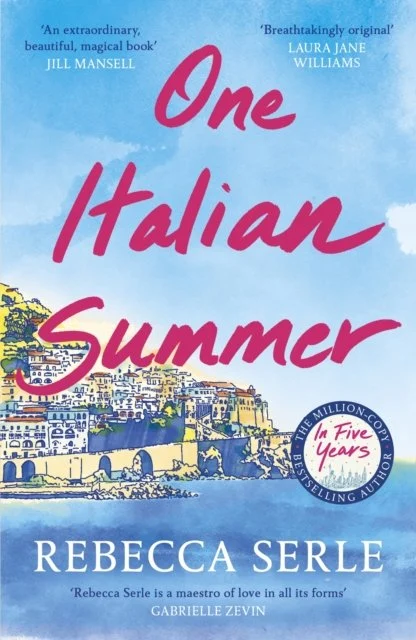
After her mother dies, Katy takes the Italian coastal holiday they'd always planned to take together, and finds her mother there, thirty years old, exactly as she was before Katy was born. One Italian Summer never really explains the magic, and it doesn't need to.
Serle uses a fantastical device purely in service of an emotional truth, grief makes the people we've lost feel suddenly, impossibly present, and she trusts the reader not to need the mechanics justified. It's a good reminder that magical realism doesn't have to explain all its rules so long as it's emotionally coherent and readers are willing to suspend their disbelief.
Verity by Colleen Hoover
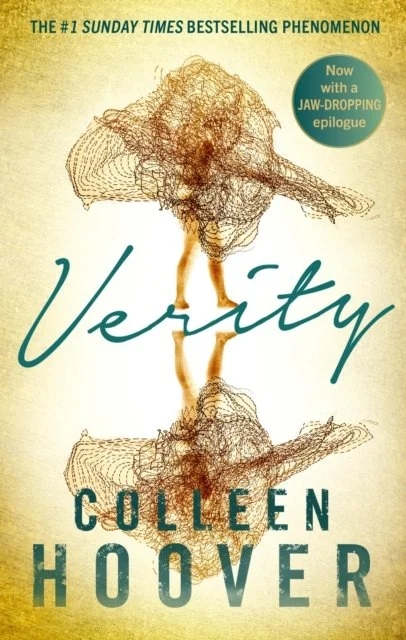
Verity is a thriller built around a manuscript within a manuscript: a struggling writer is hired to finish the remaining books in a bestselling series after its author is left incapacitated, and in the process finds an unfinished autobiography that reveals a version of the author far darker than anyone knew. While lots of people have lots of opinions on Colleen Hoover's books, this one is worth it for the frame and the structure.
The found-document structure is what makes it work. Hoover lets two competing accounts sit side by side, the manuscript's confessions and the version of events the other characters believe, and never fully resolves which one to trust. It's an effective demonstration of how unreliable narration doesn't require a single lying narrator, just two versions of the truth that can't both be right, and a close cousin of the techniques we cover in how to write epistolary fiction.
Note: All purchase links in this post are affiliate links through BookShop.org, and Novlr may earn a small commission – every purchase supports independent bookstores.