5 Halloween Reads That Teach You How to Build Dread
| by Pamela Koehne-Drube | Books
The scariest page in your favourite horror novel probably contains no monster at all; just a looming sense of dread, and a terror that seems ephemeral and elusive.
That's the secret of horror. We tend to think of a frightening book as one with a scary antagonist, like a ghost, a killer, or some other monstrous creature. But it’s not the only way to build dread and fear.
Real terror lives in the gaps between what the page shows and what it leaves out. It's built from small, deliberate decisions: what the writer holds back, what they let a narrator misread, how a character feels, and what they misunderstand.
These five books all tackle dread in a different way. Each is a good excuse to curl up with something atmospheric for Halloween, and each comes with one technique that you can apply to your own writing by reading like a writer, whatever your genre.
The Haunting of Hill House by Shirley Jackson
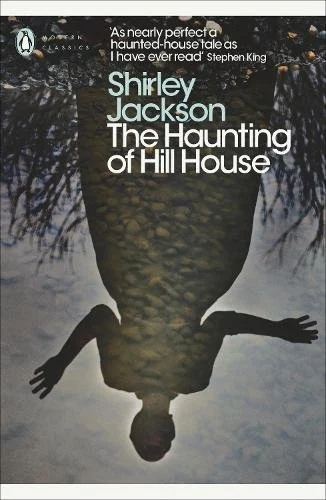
The Haunting of Hill House begins when Dr Montague, an occult scholar, rents the house for the summer and invites a handful of guests to help him investigate. Two accept: the shy, fragile Eleanor Vance and the bohemian Theodora. They're joined by Luke Sanderson, the heir to the estate. As the weeks pass, the strange events put pressure on the group, and the house seems to have its own intentions.
What Shirley Jackson does best is withholding. She almost never shows the haunting itself, but shows the effects of it. Doors shut on their own, sounds travel through the house, and the characters experience the atmosphere which feeds into their fear.
Jackson also leaves her conclusions ambiguous. There are valid interpretations of both a genuine haunting, or the mental unravelling of the book’s characters. She trusts the readers to interpret her stories in a way that feels the most horrific to them. Her readers can fill in the gaps between what is written with their own imaginations, building a sympathy and closeness with the characters through a shared experience.
Rebecca by Daphne du Maurier
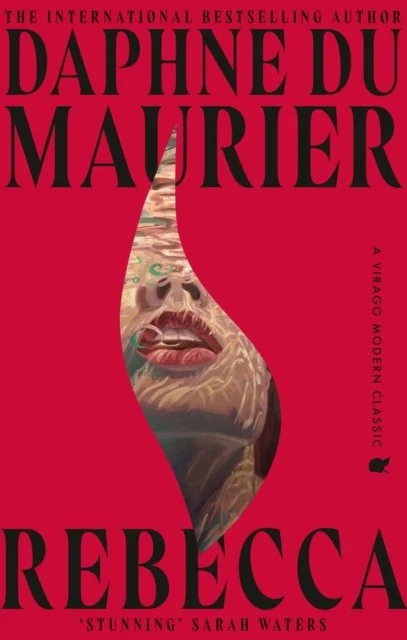
Rebecca follows the story of an unnamed young woman, working as a paid companion in Monte Carlo, who impulsively marries the wealthy widower Maxim de Winter moving to his home Manderley, an estate in Cornwall. The young woman soon discovers that the memory of her husband’s first wife permeates every part of her new life, and that the housekeeper, Mrs Danvers, has no intention of ever letting her go.
What du Maurier does incredibly well in Rebecca is writing an absent antagonist. Rebecca is dead before the first page and never appears in the book, yet she is the most powerful presence. Her influence is felt in the preserved rooms, in the way the staff speak, and in the narrator's endless comparisons with her. Du Maurier doesn't need the threat to be present; she lets everyone else's behaviour around it carry the fear. She shows that you don’t have to have an active antagonist for them to be present, and have an effect on your story.
Mexican Gothic by Silvia Moreno-Garcia
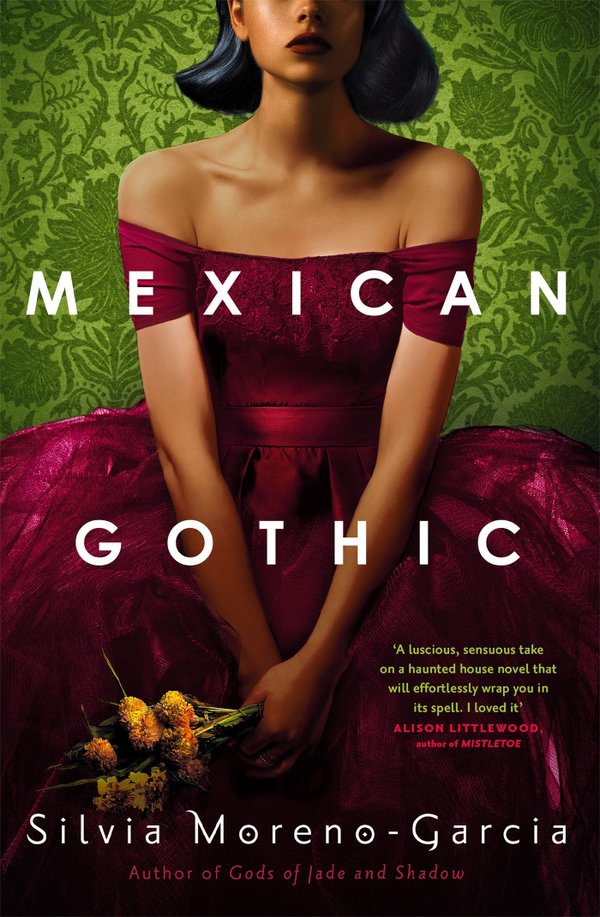
Mexican Gothic is set in 1950s Mexico. Noemí Taboada, a Mexico City socialite, travels to High Place, a house in the mountains near the small town of El Triunfo, after a worrying letter from her cousin Catalina, who has married an Englishman named Virgil Doyle. She finds a cold, controlling household, a cousin kept in isolation, and only one member of the family who seems to be on her side.
Silvia Moreno-Gercia excels at the slow reveal of her setting. The house is very much a character in her story. At first, it’s just unwelcoming, then becomes odd, and then grows to feel like something that is actively working against her. The reader experiences the house along with Noemí, following her journey, letting her be the avatar of their fear. Treating her setting as a character means it feels fundamentally intertwined with the plot.
The Push by Ashley Audrain
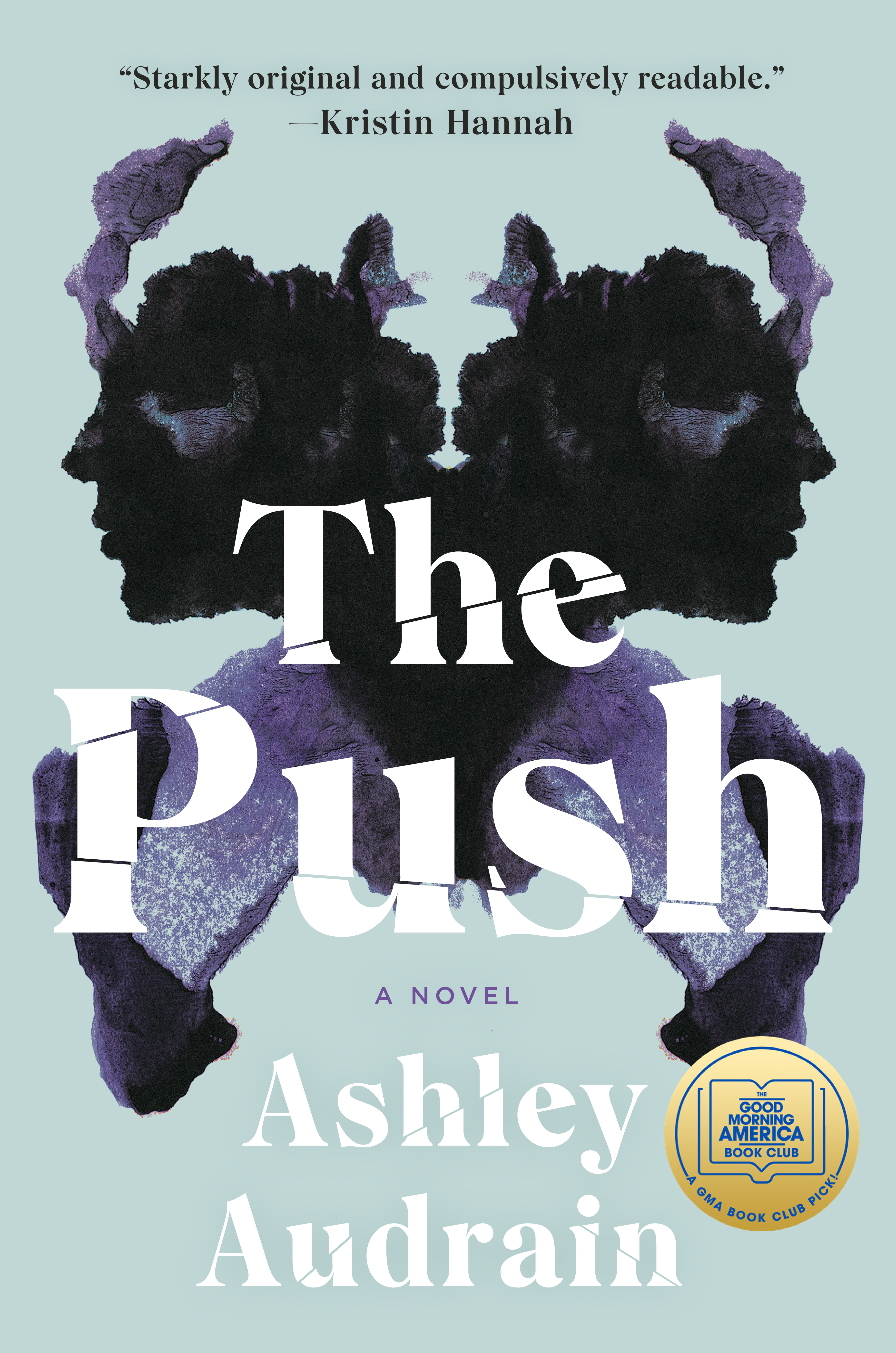
Blythe hopes that becoming a mother will give her a fresh start, but from the moment she first holds her daughter Violet, she feels that something is wrong. She believes the child behaves differently with her than with anyone else, while her husband Fox insists she's imagining it. The Push is a psychological thriller that turns on a single uncomfortable doubt about whether the problem lies with the child or with the mother.
What makes The Push such a great case study is Ashley Audrain’s use of unreliable narration. Blythe tells us the story, but every event happens at a time where no one else but Blythe experiences it, tied very closely to domestic work that is often carried by women. By using Blythe as the narrator, and giving her a husband who is dismissive of her account, Audrain gives the reader reasons to both trust and doubt her account. The fear comes from the potential unreliability of the narrator, and how that interplays with forcing us to question our own assumptions. The truth is not the point, but Blythe’s experience is, which makes it such a great case study for unreliable narration.
Our Wives Under the Sea by Julia Armfield
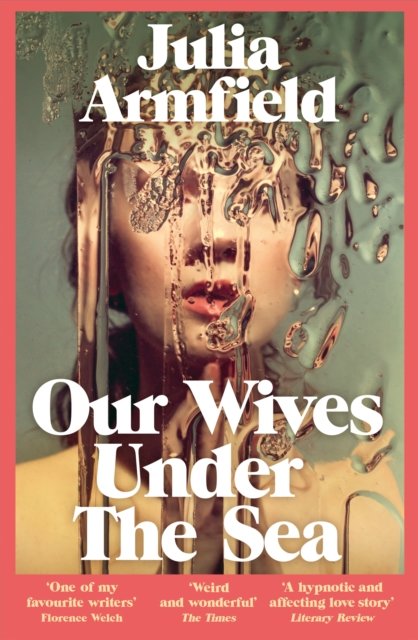
Miri and Leah are a married couple. Leah is a deep-sea researcher, and when she comes back from an expedition that has gone badly wrong, she is changed. Our Wives Under the Sea alternates between Miri's present as she tries to get answers from the organisation that sent Leah down and watches the marriage grow distant, and Leah's account of the voyage itself, deep on the ocean floor.
Julia Armfield takes the familiar and makes it strange. It’s a book with no easy answers, where everything is accepted as part of the narrative, making the reader feel uncomfortable. It’s a world we recognise, but it also feels somehow off. The book is intimate, and is fundamentally a story about love and grief. Reading it feels like you’re imbalanced, sharing a psychological state with its characters. Armfield turns love on its head, making it both beautiful and horrific at the same time, and it’s one of the most perfect examples of emotional, character-driven horror I think I’ve ever read.
What makes these books so special, is that none of them depend on shock. Their writing is restrained and subtle, leading the reader to experience the essence of the themes they are built from. They use atmosphere and emotion to convey fear, making them the perfect books for a deep reading to inspire your next horror project.
Note: All purchase links in this post are affiliate links through Bookshop.org, and Novlr may earn a small commission. Every purchase supports independent bookstores.